

Over the past few months, we published a number of articles showing how to snap desktop applications written in different languages – Rust, Java, C/C++, and others. In each one of these zero-to-hero guides, we went through a representative snapcraft.yaml file and highlighted the specific bits and pieces developers need to successfully bui

As the number of IoT devices scale, the challenges of provisioning and keeping them up to date in the field increases. Domotz, who manufacture an all-in-one, network monitoring and management device for enterprise IoT networks, found themselves with this challenge that was further compounded by their rapid software release cadence. One of
Canonical today announced full enterprise support for Kubernetes 1.18, with support covering Charmed Kubernetes, MicroK8s and kubeadm. Committed to releasing in tandem with upstream Kubernetes, enterprises can benefit from the latest additions to enhance their day to day operations. “Canonical’s drive is to enable enterprises by giving th
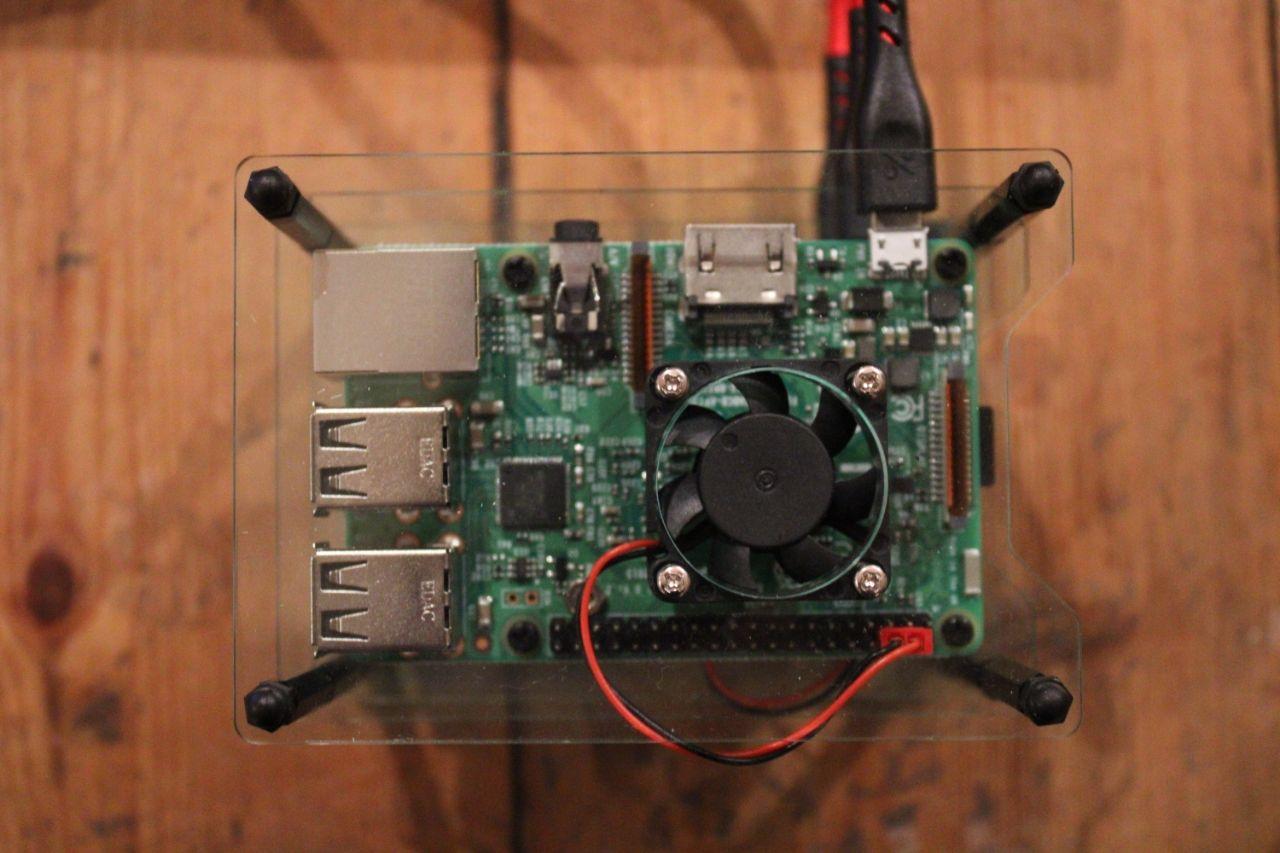
The tutorial for building a Raspberry Pi cluster with MicroK8s is here. This blog is not a tutorial. This blog aims to answer; why? Why would you build a Raspberry Pi cluster with MicroK8s? Here we go a little deeper to understand the hype around Kubernetes, the uses of cluster computing and the capabilities of

(This blog post is part of a 5 part series, titled “How to launch IoT devices”. It will cover the key choices and concerns when turning bright IoT ideas into a product in the market. Sign up to the webinar on how to launch IoT devices to get the full story, all in one place.)

Ceph upstream released the first stable version of ‘Octopus’ today, and you can test it easily on Ubuntu with automatic upgrades to the final GA release. This version adds significant multi-site replication capabilities, important for large-scale redundancy and disaster recovery. Ceph v15.2.0 Octopus packages are built for Ubuntu 18.04 LT

SUMMARY Canonical’s fully managed OpenStack, Kubernetes, Kafka, Elastic, Postgres and other open source stacks, are operating at full SLA. Ubuntu and broader open source support services are unaffected and our teams have adjusted schedules to allow for colleagues to be out sick while maintaining full coverage in the months to come. Secur

Sometimes, software projects are simple – one architecture, one version, one release. But often, they can be complex, targeting multiple platforms, and with different versions at that. If you are packaging your apps as snaps, you might wonder about the optimal way to accommodate a multi-dimensional release matrix. One yaml to rule them al

Newsletter signup
The latest release of Kubernetes is now available for download and experimentation, with the MicroK8s Kubernetes 1.18 release candidate. The easiest, fastest way to get the latest Kubernetes is to install MicroK8s on your machine. Just run: sudo snap install microk8s –channel=1.18/candidate –classic Or from snapcraft.io: https://snapcraft

SBI BITS provides IT services and infrastructure to the SBI Group — Japan’s market leading financial services company group — which is made up of over 250 companies, and 6,000 employees. To increase time to market and meet heavy client requirements, SBI BITs was looking for alternative solutions beyond bare metal servers and decided upon

The Web and design team spent the last week in an in-person sprint in Frankfurt. We have a number of members of the team that are remote so it is always great to all get together and go for dinners and coffees together. This takes us out of our usual work so this was a
In the first part of this tutorial, we installed and configured EdgeX foundry on a Raspberry Pi 4, turning it into an edge gateway. In this tutorial, the gateway will be connected to dummy IoT devices. These dummy devices will be virtually simulated by software. They will send messages transmitting random measurements to an MQTT
The Raspberry Pi Foundation recently released their new “Raspberry Pi Imager” and we love it. It’s a new tool that makes getting going with the Raspberry Pi easier than ever. All it takes is a simple install and three clicks before you have an SDcard ready for Pi. In this article, I’m going to talk

The Canonical team is getting back from the OSM-MR#8 Hackfest with a lot of excitement and a fresh view on the OSM (Open Source MANO) project. Although due to the Coronavirus COVID-19 complication around the world the leadership group re-organised the Hackfest in the last moment to be fully remote, many people joined and we’ve
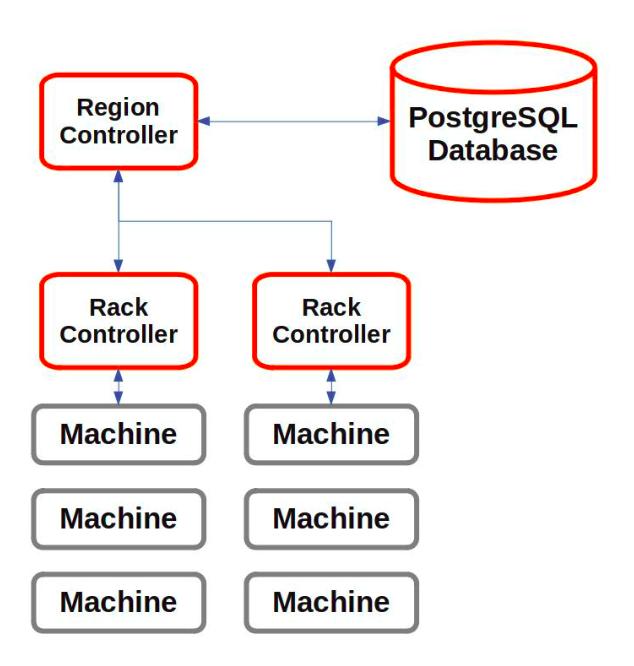
Much of the functionality of MAAS is contained in controllers. There are two basic types: a region controller and a rack controller. It’s useful to pull back and take a quick look at how these controllers work and interact. This will help you get a better picture of how MAAS operates. Region controller The region

TL:DR The tutorials site was refreshed. Tutorials are written in Discourse. They are then pulled and displayed on different sites: ubuntu.com, snapcraft.io, maas.io and jaas.ai. Contributing to open source tools goes beyond writing code. Some of the best contributions simply explain to others how to use the software through tutorials and
Ubuntu tech blog
Deep dives for developers
Visit the Ubuntu Tech Blog for deep dives into product features, step-by-step tutorials, and the latest updates from Canonical's engineering teams.