
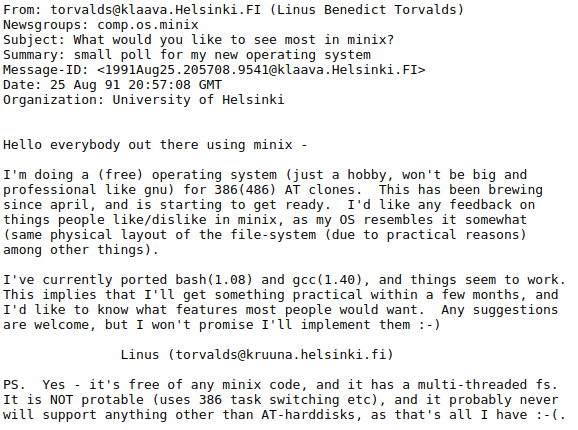
Won’t be big Thirty years ago today, Linus Torvalds announced his free operating system to the world. As with many of the world’s greatest, Linux had humble beginnings as a very small pet project. The GNU was working on an ambitious free, public domain operating system but the project had been delayed, and enthusiasts were

The streaming service for the leading communication group in Spain leaves behind outdated applications and adopts a microservices architecture enabled by Canonical. SPAIN, August 24, 2021— Canonical, the publisher of Ubuntu, announces that Atresmedia, the leading company in the Over-The-Top (OTT) services market in Spain, selected its Cha
Simplifiying Kubernetes adoption – How can you run a fully managed Kubernetes in a private cloud at half the cost of Amazon EKS (Elastic Kubernetes Service)
From autonomous mobile robots to robot butlers. It is impressive to see how much progress has been made in the last decade. Thanks to our open source robotics community we keep learning, and this newsletter is filled with events, R&D updates, new products and tutorials for you. Thanks July! Open source robotics events – ROS

Learn how model-driven observability with Juju can drastically improve the quality of the insights you get from your monitoring telemetry.

The time has come. It’s time to vote for the 10 images you would like included in the official Ubuntu 21.10 release as optional wallpapers. Submissions have closed. Thank you to everyone who has participated so far <3 Vote here Brace yourself, there’s a lot. We have a total of 202 submissions, more than ever

For years now, developers and publishers could view how well their snaps are performing in terms of usage and popularity through the Snap Store Web interface, using the metrics tab. This functionality allows people to examine the cause and effect of their work, like software updates, marketing campaigns, or other events. But it requires m

With the release of MAAS 3.0, we moved LXD virtual machines out of Beta. Several articles in the MAAS documentation address LXD. Since no document ties all these features together, though, it’s time for a topical blog about LXD. About LXD LXD, pronounced “lex-DEE,” is a container manager, as well as a virtual machine manager.

Newsletter signup
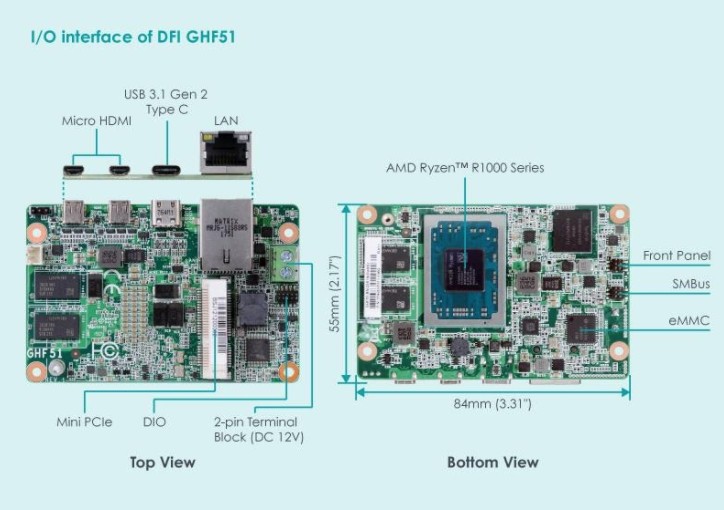
Canonical and DFI announce that the GHF51 and EC90A-GH, have been certified, based on the latest AMD-based platform. Both offer improved performance, a smaller footprint, and full access to open-source software with Ubuntu and Ubuntu Core. These are part of the first wave of products that passed the Ubuntu IoT hardware certification. Smal

In this series, we’ve been building up an Apache Spark cluster on Kubernetes using MicroK8s, Ubuntu Core OS, LXD and GCP. We’ve learned about and set up nested virtualisation on the cloud, and had some fun. But right, it’s retrospective time: in Part 1, we saw how to get MicroK8s up on LXD, on Ubuntu

If you’ve followed the steps in Part 1 and Part 2 of this series, you’ll have a working MicroK8s on the next-gen Ubuntu Core OS deployed, up, and running on the cloud with nested virtualisation using LXD. If so, you can exit any SSH session to your Ubuntu Core in the sky and return to

If you have followed Part 1 of this blog post, you’ll have a working setup that allows you to run MicroK8s on Ubuntu Core in a VM on your local workstation using Multipass. But you’re itching to get this up and running on the cloud. I know, so am I! So let’s step through that

There are some great reasons to use nested virtualisation on compute clouds. Nested virtualisation is when you have Virtual Machines running within Virtual Machines. This approach offers a stronger isolation model than containers: by using a dedicated kernel and IO devices, bad behaviour cannot easily break out and spread. In fact, nested

The Web & design team at Canonical run two-week iterations building and maintaining all of the Canonical websites and product web interfaces. Here are some of the highlights of our completed work from this iteration. Meet the team Hey! My name is João and I’m a Senior Web Engineer on the Web Team. Since I’ve
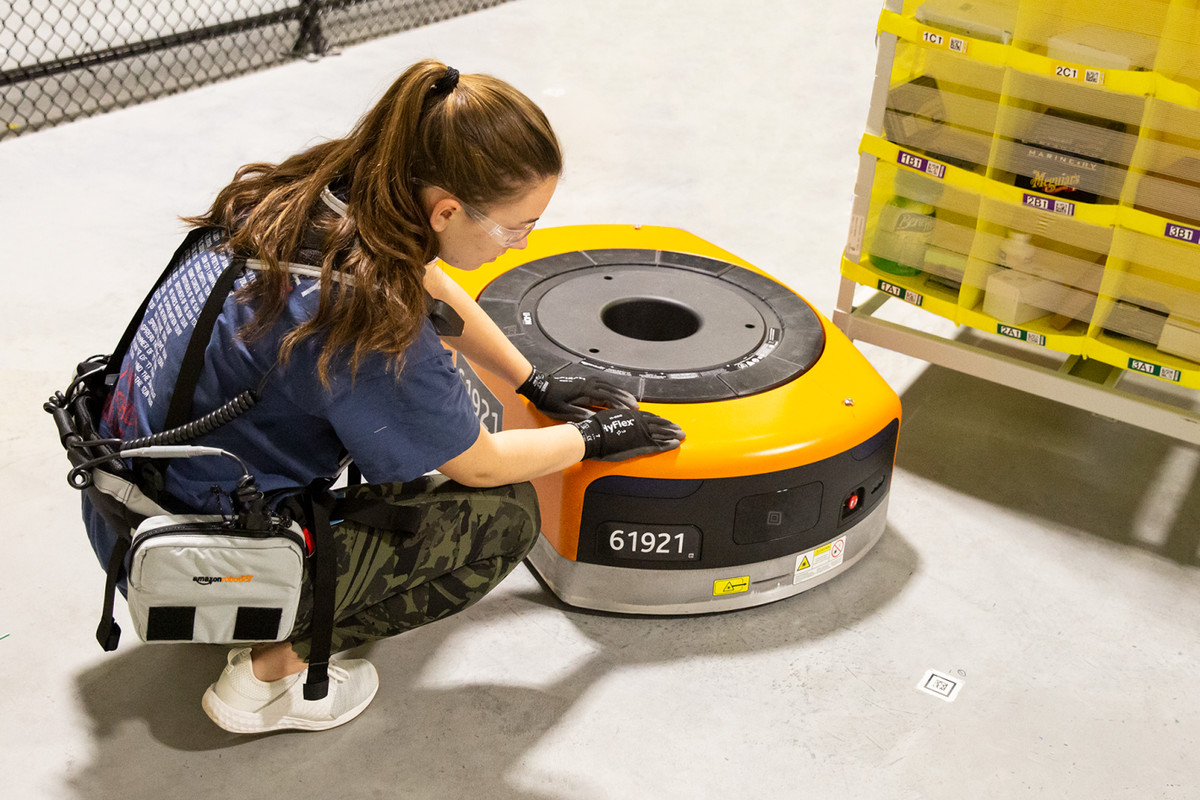
Note: This blog follows the autonomous mobile robots structure defined by “Why you’re looking at AGV / AMR technology all wrong” written by Limor Schweitzer. The process of automation with autonomous mobile robots (AMR) is challenging. Is not only about the budget for companies looking to automate. It also requires a deep understanding of
Austin, Texas – Ubuntu, the world’s most popular operating system across private and public clouds has received the FIPS 140-2, Level 1 certification for its cryptographic modules in Ubuntu 20.04 LTS, including OpenSSL 1.1.1. This certification is built on Canonical’s track record in designing Ubuntu for high security and regulated worklo
Ubuntu tech blog
Deep dives for developers
Visit the Ubuntu Tech Blog for deep dives into product features, step-by-step tutorials, and the latest updates from Canonical's engineering teams.