

Recently, I gave a keynote at the Cloud Native / OpenStack Days in Tokyo titled “the ten new rules of open source infrastructure”. It was well received and folks pointed out on Twitter that they would like to see more detail around those ten rules. Others seemed to benefit from clarifying commentary. I’ve attempted to

A portable, multi-cloud install for Knative, using Microk8s.

What is Mir, what is Wayland, do I care? Shells for graphical interfaces come in many forms, from digital signage and kiosks that just show a single full screen application; to desktop environments that manage multiple applications, multiple screens and multiple workspaces. Traditionally, shells are built from a number of closely coupled

Today, Canonical announces its Charmed OpenStack on Ubuntu has been selected by BT as a key component of its next generation 5G Core. Canonical, the company behind Ubuntu, will provide the open source virtual infrastructure manager (VIM) as part of BT’s Network Function Virtualisation (NFV) program, and the transition to a cloud-based Cor

Artificial intelligence relies on machine vision just as much as human intelligence relies on vision. Image sensors are, therefore, crucial for AI applications because of the richness of data that they capture. Capturing and processing video and images at the edge is a capability that intelligent IoT applications need to deliver. In this
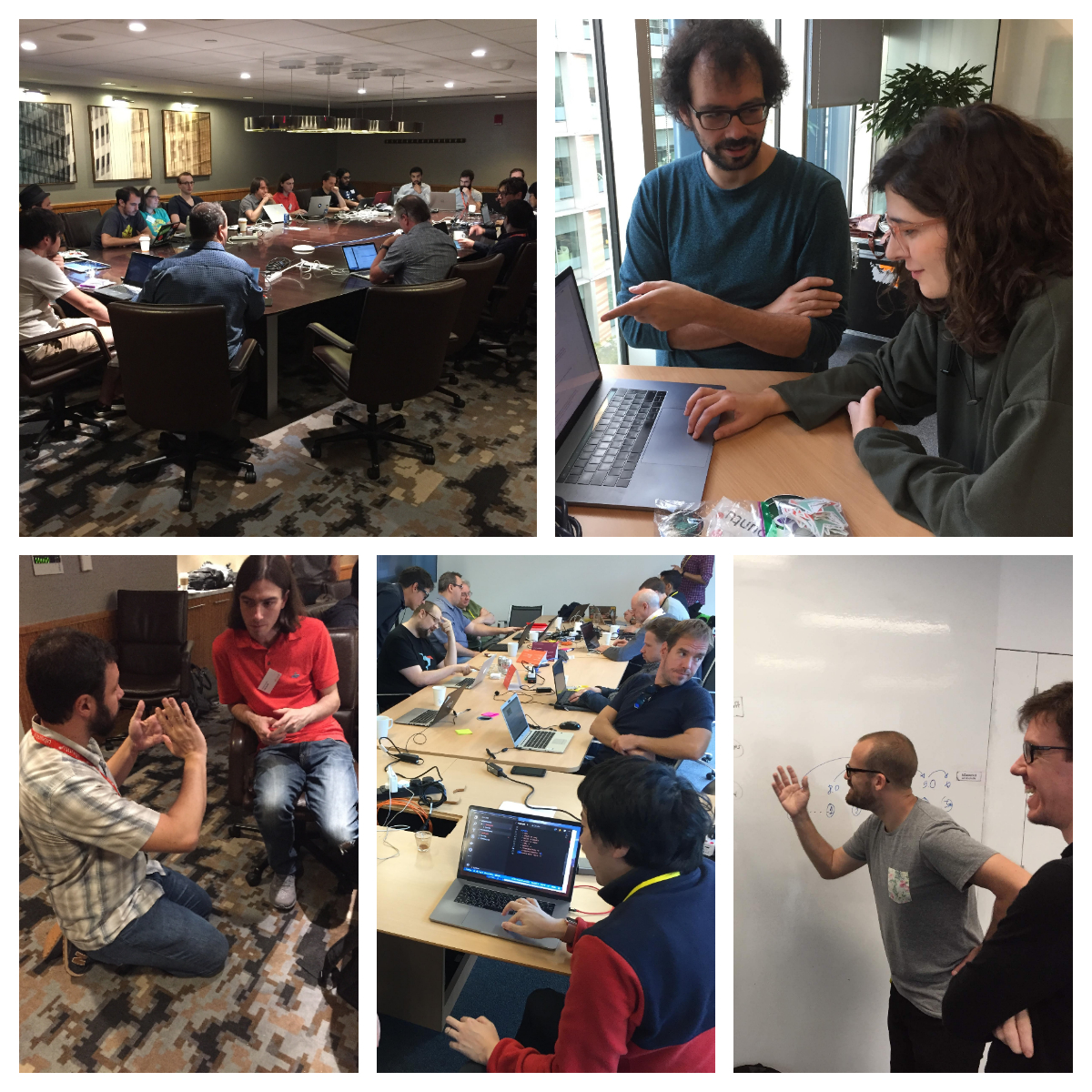
In January 2018, Dani Llewellyn joined her first Snapcraft Summit in Seattle in her role as a community Snapcrafter. At that event, we discussed her views on everything snap related from most requested snaps, new feature requests and popular discussion topics. Since then, snaps has grown across every metric and seen numerous new high prof
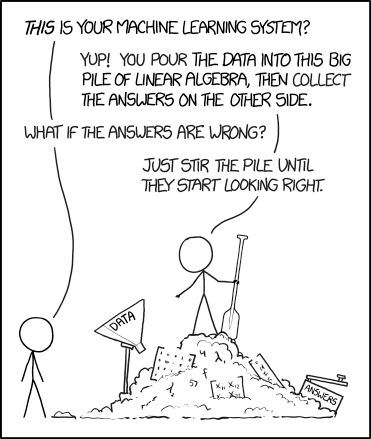
Kubeflow at OSCON 2019 – Over 10 sessions! Covering security, pipelines, productivity, ML ops and more. Some of the sessions are led by end-users, which means you’ll get the real deal about using Kubeflow in your production solution Kubeflow at KubeCon Europe 2019 in Barcelona – The top Kubeflow events from Kubecon in Barcelona, 2019.

Lifecycle management entails fulfilling changing requirements over time. However, there is a gap that the existing robot development frameworks do not address, making it challenging to tackle system-level requirements (fault tolerance, system safety, maintainability, interoperability or reusability etc…). Ubuntu Core aims at closing this

Newsletter signup

CMake is an open-source, cross-platform family of tools designed to build, test and package software. It is used to control the software compilation process and generate native makefiles and workspaces that can be used in any compiler environment. While some users of CMake want to stay up to date with the latest release, others want

As you probably know, there are many ways you can build snaps: locally using snapcraft, with CI systems like Travis, through Launchpad, and also via the free online Snapcraft Build Service. Now, a new preview feature called Remote build also allows you to build snaps for multiple architectures directly from the command line. This has

LXD, the system container manager, developed by Canonical and shipped by default with Ubuntu, makes it possible to create many containers of various Linux distributions and manage them in a way similar to virtual machines (VMs) but with lower overhead costs associated with them. Unlike VMs, containers have the benefit of using a shared ke
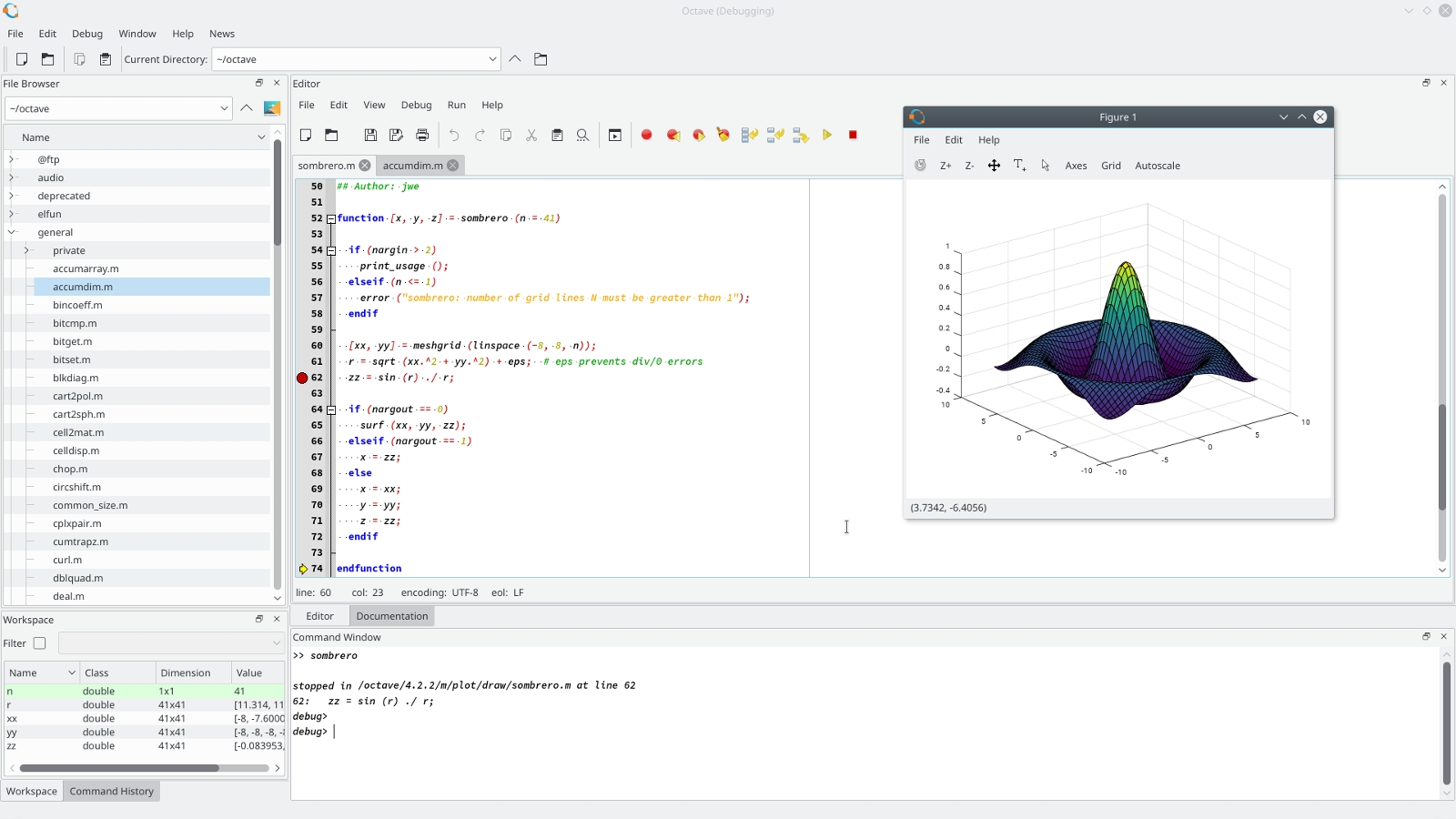
Octave is a numerical computing environment largely compatible with MATLAB. As free software, Octave runs on GNU/Linux, macOS, BSD, and Windows. At the 2019 Snapcraft Summit, Mike Miller and Jordi Gutiérrez Hermoso of the Octave team worked on creating an Octave snap in stable and beta versions for the Snap Store. As Mike and Jordi
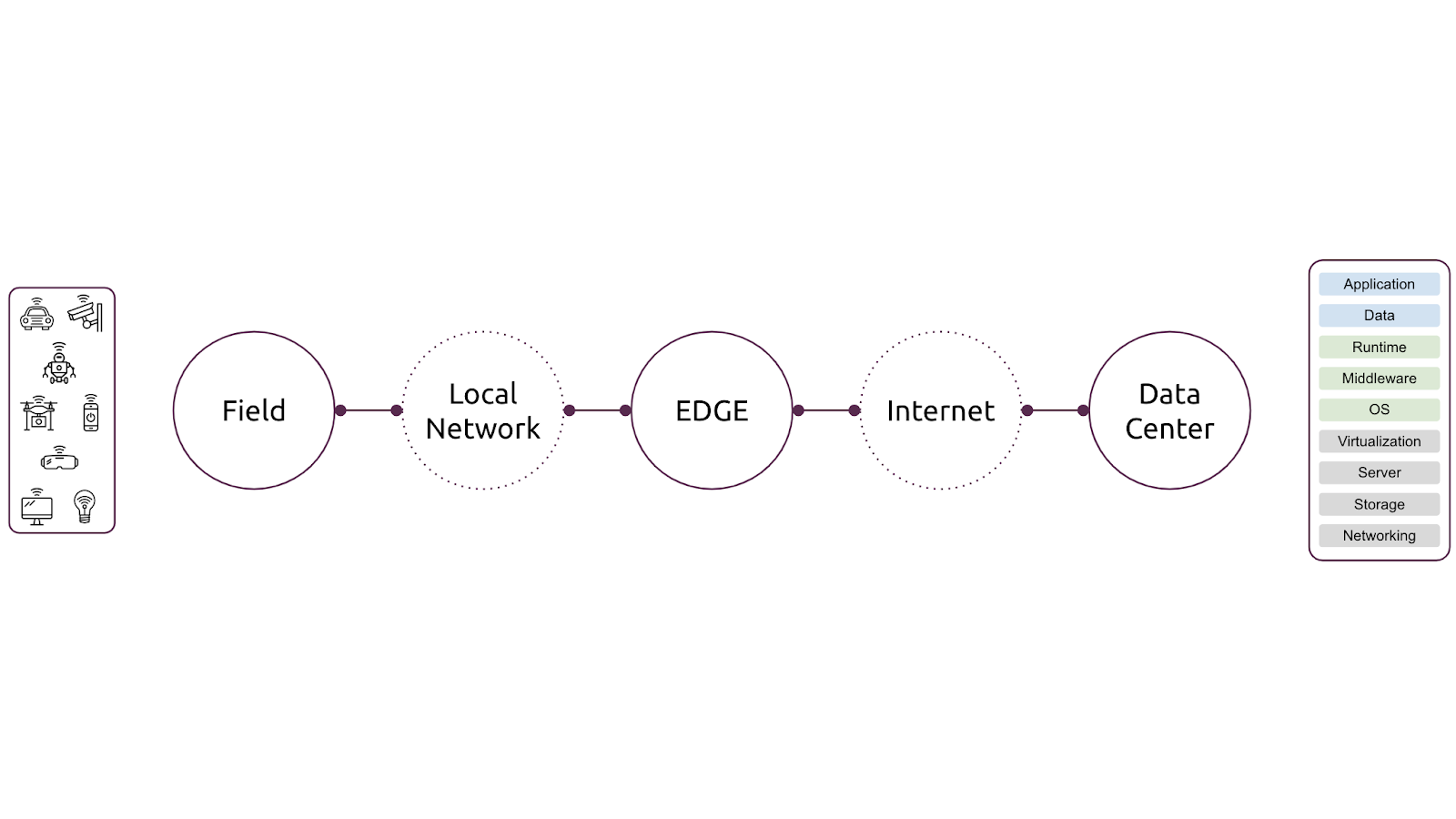
Edge computing continues to gain momentum to help solve unique challenges across telco, media, transportation, logistics, agricultural and other market segments. If you are new to edge computing architectures, of which there are several, the following diagram is a simple abstraction for emerging architectures: In this diagram you can see

Canonical is happy to announce the availability of MAAS 2.6. This new release introduces a range of very exciting features and several improvements that enhances MAAS across various areas. Let’s talk about a few notable ones: Growing support for ESXi Datastores MAAS has expanded its support of ESXi by allowing administrators to create & c

Traditional development methods do not scale into the IoT sphere. Strong inter-dependencies and blurred boundaries among components in the edge device stack result in fragmentation, slow updates, security issues, increased cost, and reduced reliability of platforms. This reality places a major strain on IoT players who need to contend wit

This was a fairly busy two weeks for the Web & design team at Canonical. Here are some of the highlights of our completed work.Web squadWeb is the squad that develop and maintain most of the brochure websites across the Canonical.&nbs
Ubuntu tech blog
Deep dives for developers
Visit the Ubuntu Tech Blog for deep dives into product features, step-by-step tutorials, and the latest updates from Canonical's engineering teams.