

The Ubuntu in the wild blog post ropes in the latest highlights about Ubuntu and Canonical around the world on a bi-weekly basis.

Two years ago, we launched the Extended Security Maintenance (ESM) phase of Ubuntu 14.04, providing access to CVE patches through an Ubuntu Advantage for Infrastructure free or paid subscription. This phase extended the lifecycle of Ubuntu 14.04 LTS, released in April 2014, to a total of ten years, ending in April 2024. During the ESM

Kubernetes orchestrates clusters of machines to run container-based workloads. Building on the success of the container-based development model, it provides the tools to operate containers reliably at scale. The container-based development methodology is popular outside just the realm of open source and Linux though. Exactly the same bene

Operators were designed to help manage application lifecycle complexity. If you’ve been working with Kubernetes, you will have run into operators. Operators are designed to automate typical maintenance tasks, from installation to back-ups and scaling. What might surprise you is that operators are capable of doing so much more. Enter the c

The web team at Canonical run two-week iterations building and maintaining all of Canonical websites and product web interfaces. Here are some of the highlights of our completed work from this iteration. Web squad The Web Squad develops and maintains most of Canonical’s sites like ubuntu.com, canonical.com and more. In this iteration, th

Deciding if you should install Helm vs Kustomize for your Kubernetes deployment? These are great options for day-1 operations but they leave a lot left to be desired on day-2. Charmed Operator Lifecycle Manager and Charmed Operators help you manage the entire lifecycle and allow charms to easily integrate with one another while taking car
Today, Kubernetes upstream made the 1.21 release candidate available for download and experimentation ahead of general availability, which will come later in April. Woohoo! We would love to get your feedback ahead of the general release and hear about any bugs or issues you find. Or, if you just want to give the bleeding edge
Description A defective livepatch for kernel 4.4 in Ubuntu 16.04 LTS (Xenial) was not caught in internal testing processes because the defect was a race condition, triggered by workload-specific behaviour, under load. The livepatch would cause the madvise system call to block indefinitely, and thus cause lockup to the processes using the

Newsletter signup

Snaps are several things, all at once. They are confined, standalone Linux applications that bundle all their necessary dependencies, which means they do not need to rely on the underlying system, and can run independently of it. Snaps are also packaged as compressed Squashfs filesystems, using the .snap extension. For most users, they ar
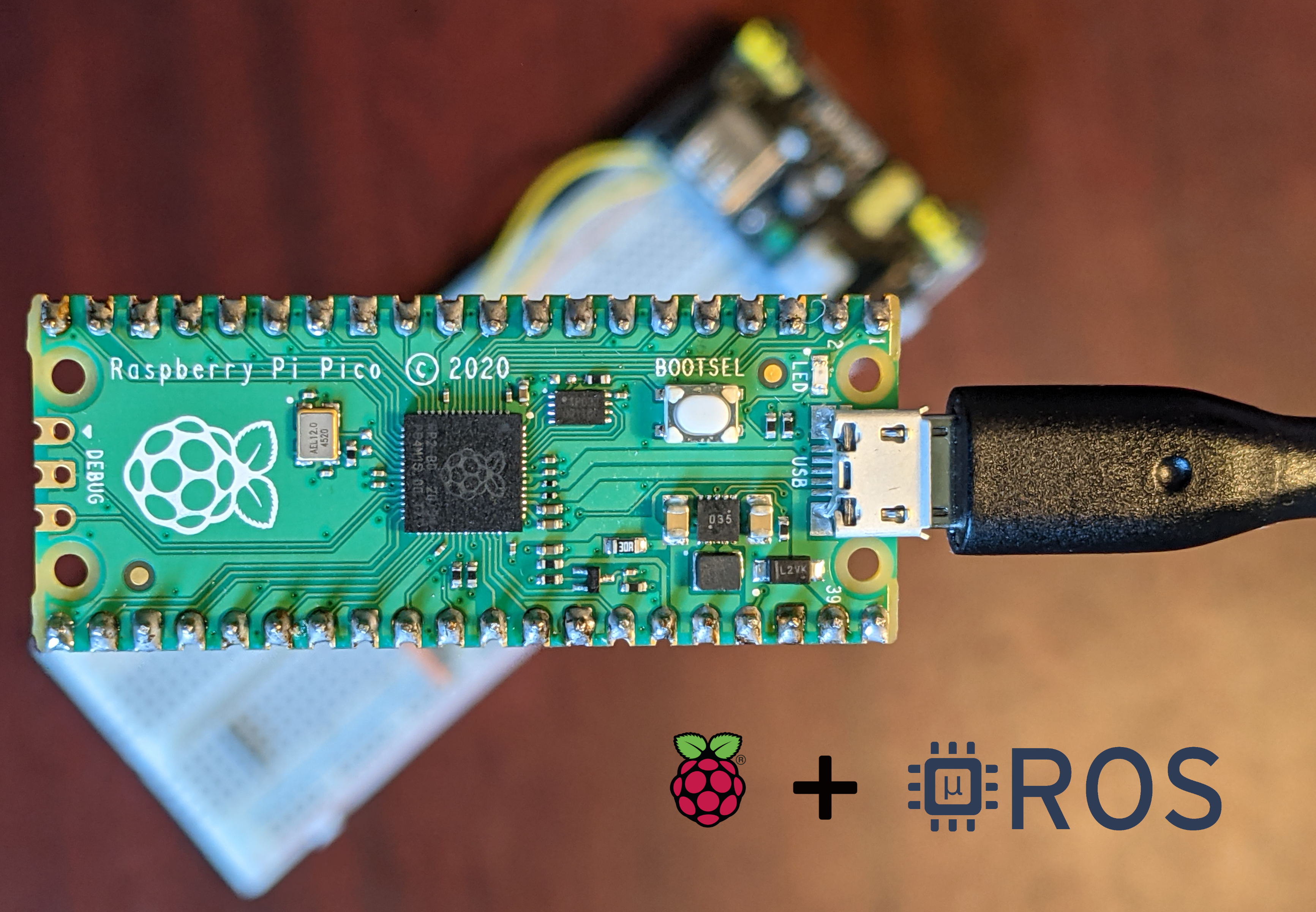
In this post we will see how the Raspberry Pi Pico can natively speak to a ROS 2 graph using micro-ROS. We will set up a project in VSCode, compile and upload it to the microcontroller. We thus assume that you are somewhat familiar with ROS 2 development and VSCode. What is this all about?

March 25th, 2021 – Canonical, Collabora and Nextcloud announce the immediate availability of a content collaboration platform for 64bit ARM for both consumers and enterprises. Building on the prior Nextcloud Ubuntu Appliance it adds with Collabora Online, the first viable self-hosted web office solution on the popular Raspberry Pi 4 platf

Like every team, the web team has a set of features that are super useful to automate. We use Hubot, a technology owned by GitHub to write very simple bot scripts that we can interact with. The way we use the bot is mostly via Mattermost. We called it: webbot. In this article I would

Running an Artificial Intelligence (AI) infrastructure on premise has major challenges like high capex and requires internal expertise. It can provide a lot of benefits for organisations that want to establish an AI strategy. The solution outlined in this post illustrates the power and the utility of Juju, a charmed Operator Lifecycle Man

The term cloud native is widely used when thinking about computing and software development, encompassing a wide range of concepts that are regularly used in technology. Let’s break it down and take a closer look – what does cloud native really mean? What you need to know As a concept, cloud native is a set

At the end of April, Ubuntu 16.04 LTS will reach the end of its five years of mainstream support and enter the Extended Security Maintenance (ESM) phase. If you’re a snap developer, and you have built or based your snaps on Ubuntu 16.04 (Xenial) packages and libraries, you may want to know how this milestone
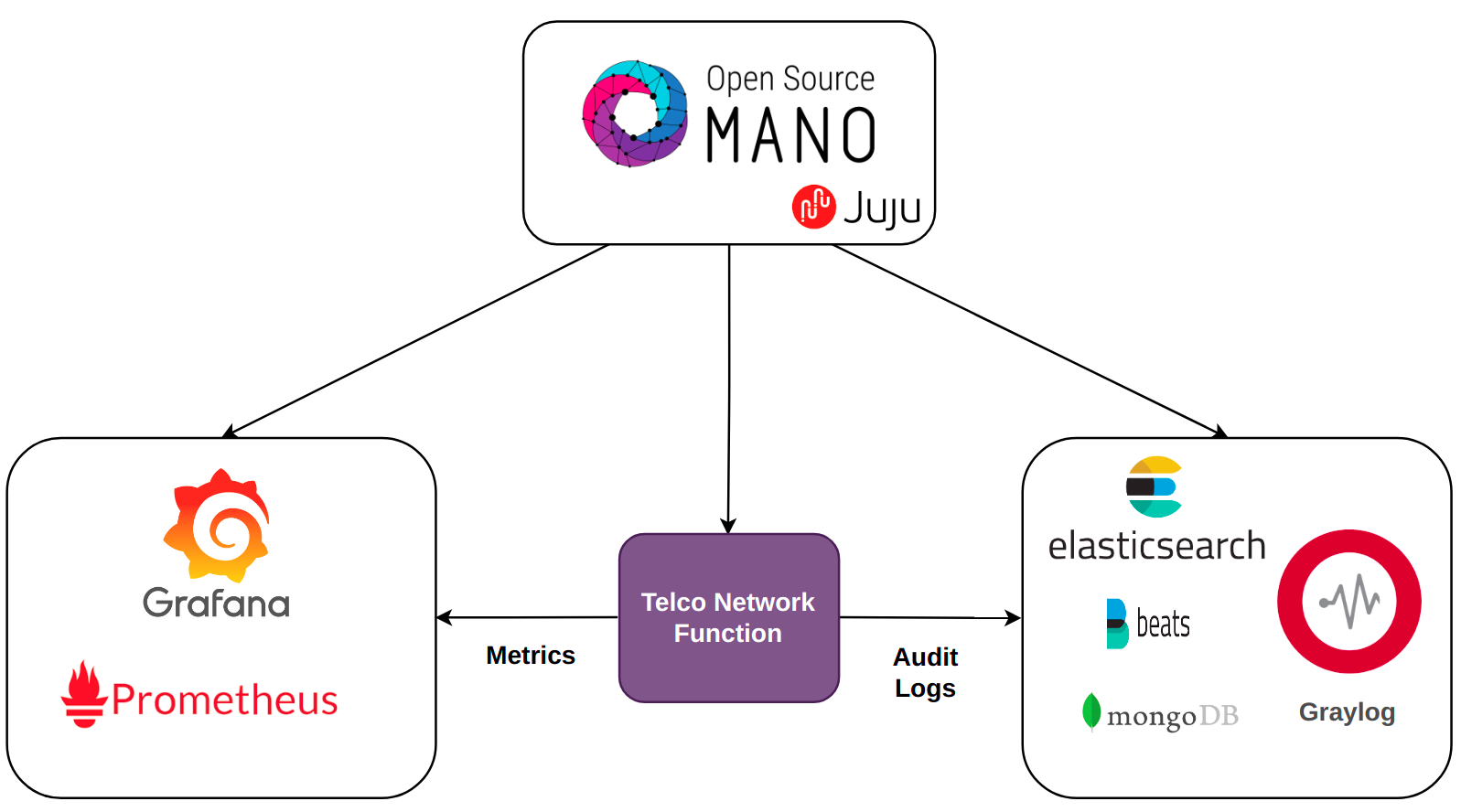
The transition to virtualized infrastructure and software network functions requires a re-evaluation in the telecom production environments. Network function is not alone. It has always been an important piece in the puzzle but requires a set of non-functional bits to complete the big picture and which brings the lifecycle management of n
Ubuntu tech blog
Deep dives for developers
Visit the Ubuntu Tech Blog for deep dives into product features, step-by-step tutorials, and the latest updates from Canonical's engineering teams.