

How To Develop Successful Machine Learning Projects On A Budget – A quick journey through some of the principles for a successful AI getting started project. The article includes an example of how to go from nothing to something – from data pipeline creation to models in production. The primary focus is on a model

Few enterprises want all their computing devices to be fully exposed to the internet. In an environment of ever-growing security threats, isolating internal networks from the wider internet is not simply best practice, but borderline essential. However, with all the benefits that restricted networks provide, it can pose challenges for ent

After exploring some ROS 2 subtleties and implementing some CLI tools we felt were missing, the time has come to get our hands even more dirty. What better way to learn than by doing? C’est en forgeant qu’on devient forgeron Humm, pardon my french, Practice makes perfect To enter the realm of ROS 2 and
This was a fairly busy two weeks for the Web & design team at Canonical. Here are some of the highlights of our completed work. Web squad Web is the squad that develop and maintain most of the brochure websites across the Canonical. Build and release dqlite.io The dqlite.io site has been built and deployed.

AI Tales: Building Machine learning pipeline using Kubeflow and Minio – Understand the Kubeflow value proposition in an entertaining format. The story starts with Joe, the neighbourhood Machine learning enthusiast. Joe reads a few things, becomes an expert, and then the real fun begins. He quickly runs into problems with portability, DevO

TurtleBot3 was released in 2017 and is positioned as a low-cost, open-source robot kit. For new owners of the TurtleBot3, there are various resources online that will assist you with building your brand new TurtleBot3 out of the box. One such example is the official TurtleBot3 instructional video. While it is a great video to

I needed to install a clean instance of Bionic to test some code, but I did not want to use a full virtual machine as I was in a hurry. To do this, I used LXD to quickly deploy new Bionic and Xenial instances in minutes. If you are not familiar with LXD, it is

How are snaps different from debs? This is a common question that comes up in technical discussions in the Linux community, especially among developers and users who have just embarked on their snap journey and are interested in learning more details. Indeed, the introduction of self-contained application format likes snaps has created a

Newsletter signup
We at Canonical care deeply about robotics. We firmly believe that robots based on Linux are cheaper to develop, more flexible, more secure, and faster to market. One of the contributing factors to this being the case is the Robot Operating System (ROS). ROS is by far the most popular middleware for creating Linux-powered robots.
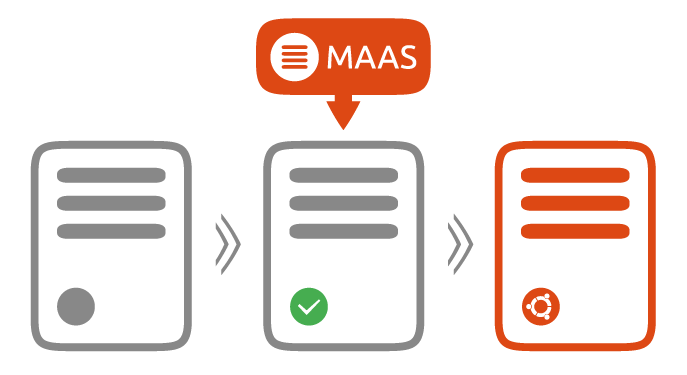
In this blog post, we are going to introduce the concept of multi-tenancy in MAAS. This allows operators to have different groups of users own a group of resources (machines) without ever even knowing about other groups of users enabling enhanced machine utilisation. A common use case for medium and large-scale environments is to provide
After our series of post about ROS 2 CLI tools (1, 2), we continue exploring the ROS 2 realm taking a look at ROS 2 components and more specifically, how they compare to plugins. spoiler alert: Long story short, components are plugins. Short story long? Is that a thing? Well plugins and components are indeed

Android is the most popular mobile operating system and is continuing to grow its market share. IDC expects that Android will have 85.5% of the market by 2022, demonstrating that app development on Android will continue to be an in-demand skill. For developers looking to build Android apps, Ubuntu is the ideal platform in conjunction with

Sometimes, relationships just don’t work out. At first, it seemed that Xibo and Linux were made for each other. Xibo had a popular open source digital signage and player system, while Linux brought a community of enthusiastic users. Dan Garner of Xibo remembers why they broke up in 2015: “Releasing our player on Linux was
We’re excited to announce the release of MicroK8s 1.16 beta! MicroK8s is a lightweight and reliable Kubernetes cluster delivered as a single snap package – it can be installed on any Linux distribution which supports snaps or Windows and Mac using Multipass. MicroK8s is small and simple to install and is a great way to

Canonical announces full enterprise support for Kubernetes 1.16, starting with the beta release, with support covering the following installation mechanisms – kubeadm, Charmed Kubernetes, and MicroK8s. The beta release of Kubernetes offers users an opportunity to test some of the upcoming features and to validate containerised workloads
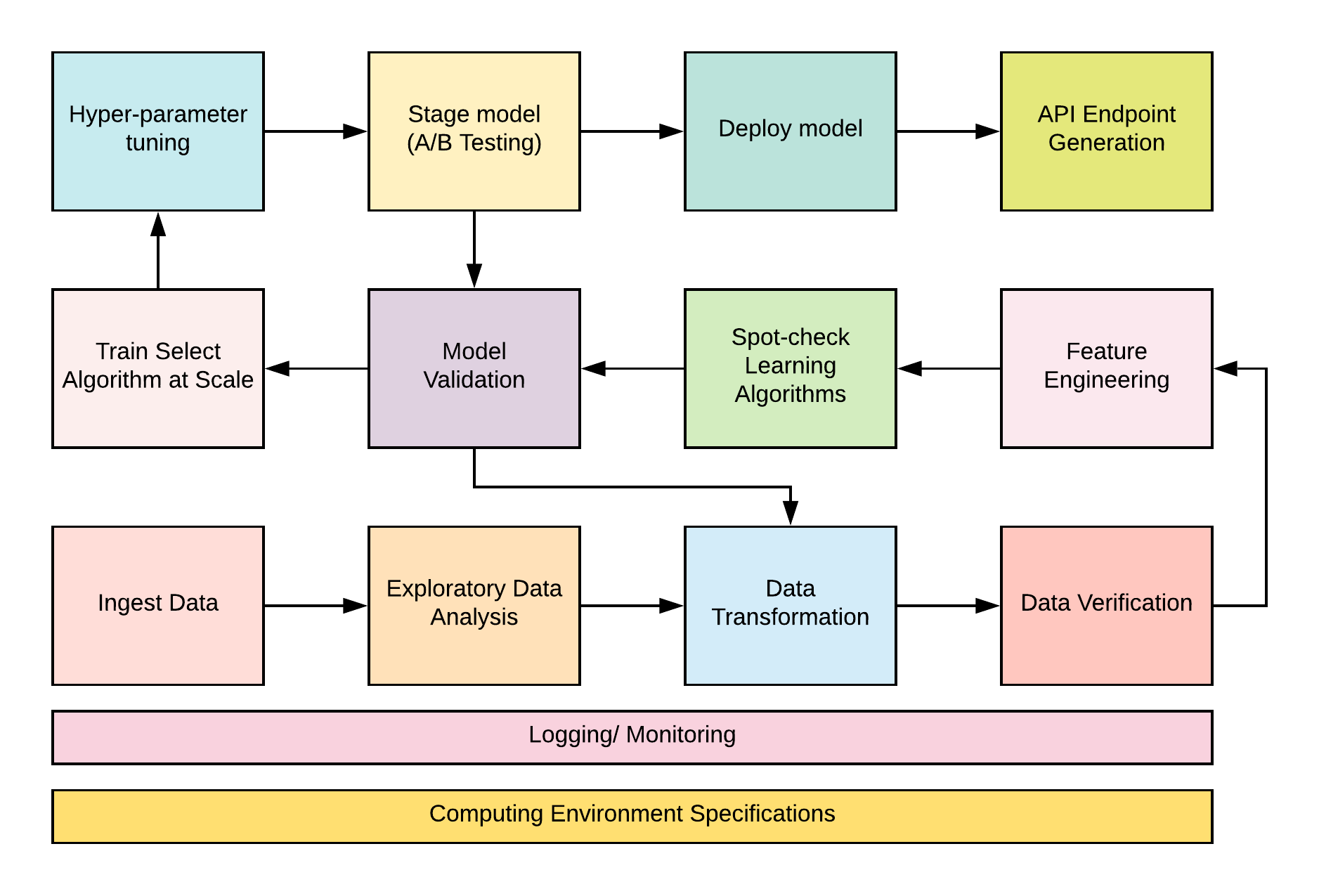
Kubeflow for Poets – This article introduces the core concepts necessary to understand all of the moving pieces in a Kubeflow based machine learning Pipeline. It includes a brief introduction to microservices, Docker, Kubeflow, Kubernetes, virtualisation, Google cloud and more. Read this article for step-by-step low level interaction with
Ubuntu tech blog
Deep dives for developers
Visit the Ubuntu Tech Blog for deep dives into product features, step-by-step tutorials, and the latest updates from Canonical's engineering teams.