

Canonical
5 January 2018
Announcing the Dell XPS 13 Developer Edition 9370 with Ubuntu
We’re excited to see Dell announce the availability of the 7th gen XPS 13 Developer Edition (9370) which comes preloaded with Ubuntu. Canonical have been part of Dell’s Project Sputnik project since Day 1, and five years later we are delighted to see it continue. In fact, our VP of Product Dustin Kirkland was one of the three original developers (or cosmonauts) who provided input into this project and has left some thoughts five years later in his blog.
This model joins the family of Dell systems that come preinstalled with Ubuntu including the XPS 13 Developer Edition 9360 and the Dell Precision line. This broad line provides a wide breadth of configurations, putting Ubuntu in the hands of as many developers and enthusiasts as possible. Canonical have worked extensively with the team at Dell to ensure that users and developers get a first class Ubuntu experience out of the box. Our engineers and developers have been using the XPS laptops extensively, and we can’t wait for the latest generation! Here is a runthrough of some of the best features.
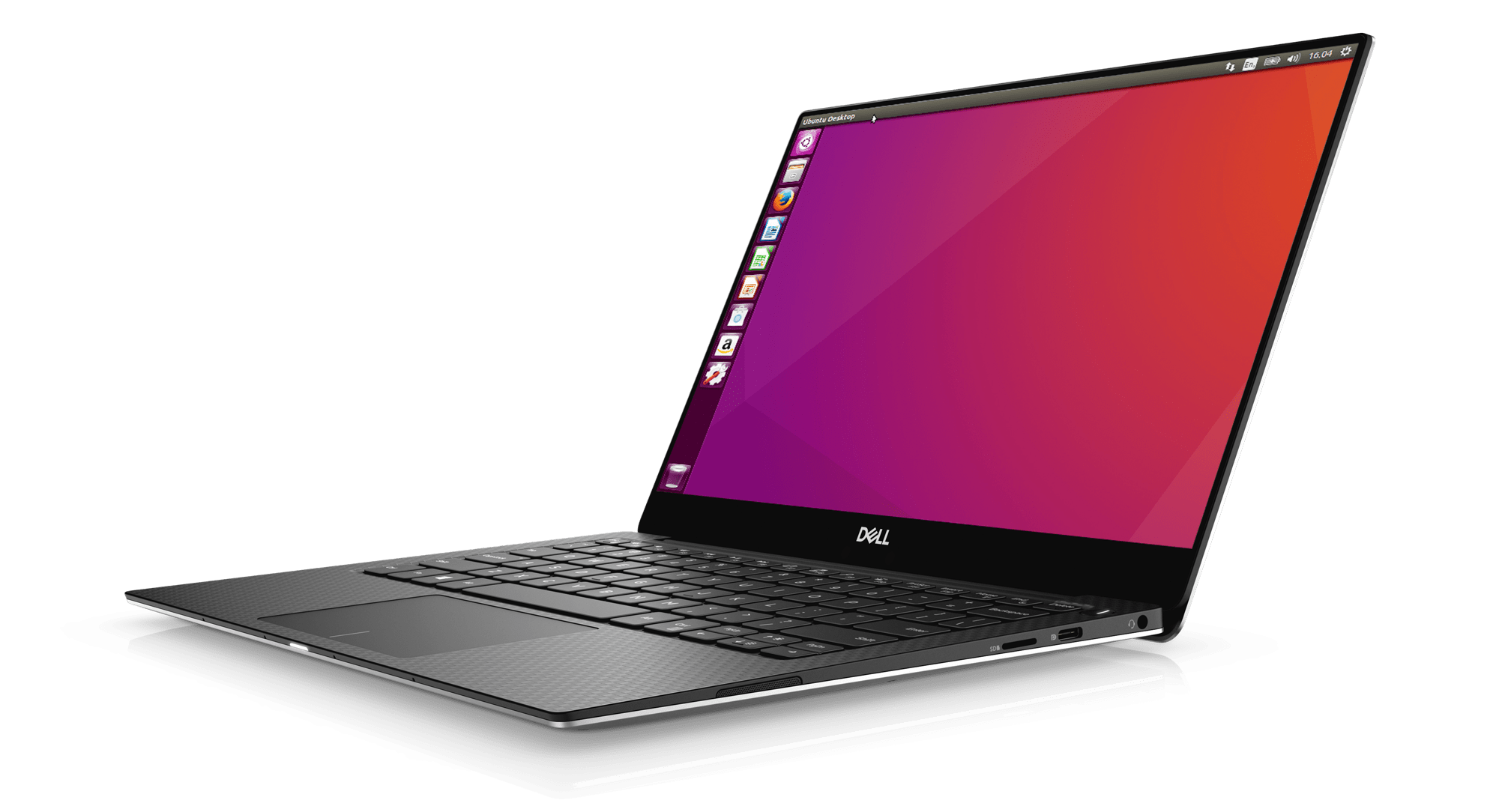
A brand new design
The Dell XPS 13 uses an all new chassis and continues to be the smallest 13 inch laptop in the world. It’s 30% thinner at 3.4mm as well as lighter at 2.7 pounds! You won’t believe how much power is packed into an Ubuntu laptop this small!
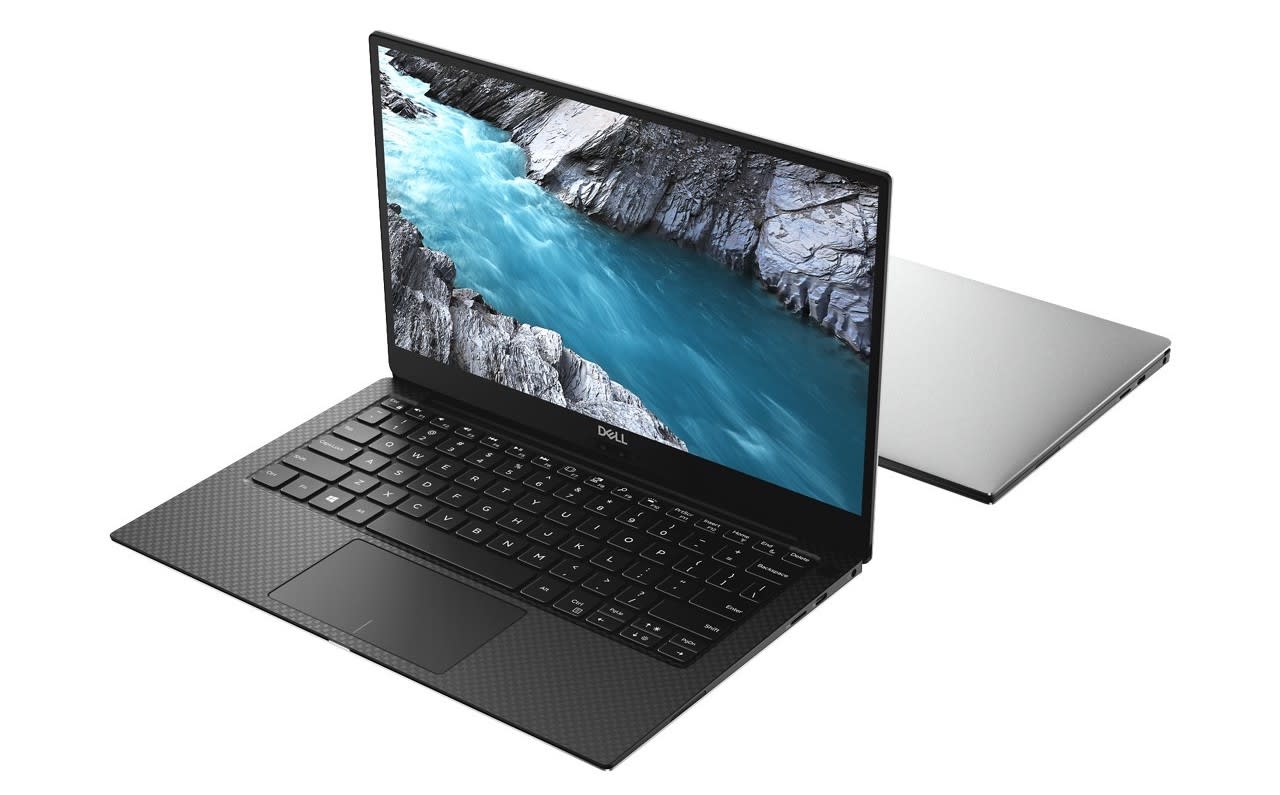
A new viewing experience
With a smaller design comes even smaller bezels! The XPS 13 has reduced the frame around the InfinityEdge display, yet packs in even more pixels than ever. This machine is now also available with an incredible 4K display.
Uncompromised Power
Even with all the major cosmetic changes, Dell have still ensured that this is the most powerful 13 inch laptop in its class. With an 8th generation Intel Quad Core Processor, it’s now twice as fast as the XPS 13 launched in 2015! For developers, four cores in a 13 inch laptop makes it easier to deploy DevOps solutions on Ubuntu with Conjure-up such as Canonical’s Distribution of Kubernetes and OpenStack. Between even faster SSDs, Thunderbolt 3, better processors, and up to 16GB of RAM; the XPS 13 Developer Edition will be a pint-sized powerhouse!
Further Information
The XPS 13 is now available in the US & Canada, UK, Ireland, Germany, Austria, France, Italy, Spain, Switzerland (French and German), Belgium, Netherlands, Sweden, Norway, & Denmark. For more information on Project Sputnik and upcoming offline availability, check out this blog from the senior architect behind the XPS 13.
Want professional Ubuntu Desktop support?
For organizations, Ubuntu Advantage is the assurance of enterprise-grade support and management tools.


